

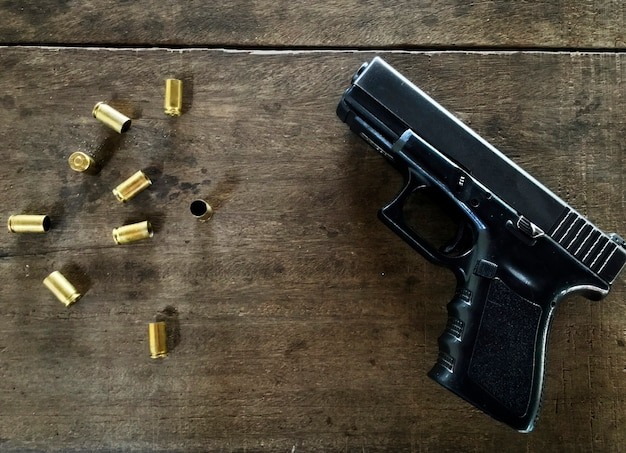
Safe firearm storage is an important responsibility for anyone who keeps firearms in the home. The primary goal should be preventing unauthorized access, particularly by children, visitors, and anyone who should not handle a firearm. Hidden gun storage may be discussed as part of a broader safety plan, but simply hiding a firearm is not a substitute for a secure locking device or properly designed firearm safe. Combining restricted access, responsible handling, and secure storage can create a safer home environment.
1. Prioritize Secure Storage
The most important consideration is that firearms should be stored unloaded when not in use and secured against unauthorized access. A locked gun safe, lockbox, or other purpose-designed secure storage device can provide an additional barrier.
Hidden gun storage should never mean placing a firearm somewhere that can be easily discovered or accessed by another person. Security should remain the primary consideration.
2. Keep Firearms Away From Children
Children may not understand the dangers associated with firearms, even when they have been taught basic safety rules. Firearms should therefore be kept inaccessible to children and secured with appropriate locking equipment.
Ammunition should also be stored securely and separately when appropriate. Parents and guardians should regularly review household storage practices as children grow and their ability to reach or access different areas changes.
3. Use Purpose-Designed Locking Equipment
A suitable firearm safe or lockbox can provide stronger protection than relying on a hiding place. Depending on the household’s needs, owners can consider locking containers designed specifically for secure firearm storage.
Hidden gun storage should not replace these safeguards. When selecting storage equipment, consider its construction, locking mechanism, reliability, and ability to prevent unauthorized access.
4. Consider Unauthorized Access
Homeowners should think about who may enter the home and whether those individuals could potentially access stored firearms. Visitors, contractors, guests, children, and other household members may have different levels of authorization.
Secure storage should prevent access regardless of whether someone knows where the firearm is located. Access codes, keys, and combinations should be protected and shared only with authorized individuals.
Keeping access information private and checking the storage system regularly can provide an additional layer of protection against unauthorized handling.
5. Store Ammunition Responsibly
Safe firearm storage also includes responsible ammunition storage. Ammunition should be kept in a secure location and handled according to applicable safety recommendations.
Keeping ammunition organized and inaccessible to unauthorized people can add another layer of protection. The exact storage approach may depend on the firearm, household circumstances, and applicable local requirements.
Final Thoughts
Hidden gun storage should be viewed only as a supplementary consideration rather than the primary method of firearm security. Effective home firearm safety depends on preventing unauthorized access through secure locking devices, responsible ammunition storage, safe handling practices, and regular review of household risks. Keeping firearms properly secured is especially important in homes where children or other unauthorized individuals may be present. Responsible owners should also stay informed about applicable laws and use reputable firearm-safety guidance when establishing their storage practices.