
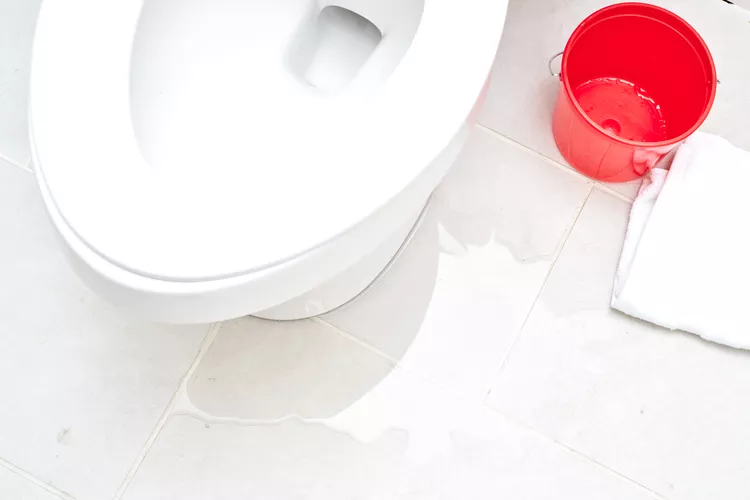
A toilet can leak beneath the fixture long before water becomes obvious on the bathroom floor. Good toilet seal maintenance focuses on early clues such as movement, recurring odors, soft flooring, or moisture appearing around the base after flushing. Catching those signs early can limit damage to flooring, subflooring, and nearby trim.
Start by Watching the Base of the Toilet
A properly installed toilet should sit firmly against the floor without rocking when you sit down or shift your weight. Even slight movement matters because repeated motion can weaken the seal between the toilet outlet and drain flange.
Dry the floor thoroughly, then inspect the base after several normal flushes. Moisture that returns near the fixture deserves attention, although condensation, splashing, or a leaking supply line should also be ruled out before assuming the floor seal has failed.
For homeowners reviewing broader household upkeep, practical home maintenance can be considered alongside regular bathroom inspections rather than waiting for visible damage.
Check for Clues Beyond Standing Water
Hidden floor leaks don’t always create a puddle. Water may travel beneath flooring where it can darken grout, loosen vinyl, swell laminate edges, or create a persistent musty smell.
Pay Attention to Toilet Movement
Gently test the toilet for movement without forcing it. If it rocks, the problem may involve loose mounting hardware, an uneven floor, a damaged flange, or a compressed seal.
Some people interested in room upkeep also follow kitchen and household topics while building simple inspection routines for wet areas throughout the home.
| Warning Sign | Possible Issue | Useful Response |
|---|---|---|
| Rocking toilet | Loose mounting or poor support | Inspect before tightening |
| Damp base | Seal, supply, or condensation issue | Dry and recheck |
| Soft flooring | Repeated hidden moisture | Investigate promptly |
| Sewer odor | Seal or drain connection problem | Check installation |
Inspect Nearby Hardware Before Blaming the Seal
Water around a toilet can come from several places. Look closely at the shutoff valve, supply connector, tank bolts, tank-to-bowl connection, and any condensation on the tank.
A slow drip from higher on the fixture can run downward and collect at the base, creating the appearance of a failed floor seal. That distinction matters because replacing the toilet seal won’t fix a leaking supply fitting.
Organized homeowners may find that everyday home planning ideas help reinforce the habit of checking several possible moisture sources instead of assuming the most obvious cause.
Know What Seal Replacement Involves
Replacing a toilet floor seal normally requires shutting off the water, draining the fixture, disconnecting the supply line, removing the mounting nuts, and lifting the toilet straight up.
The drain flange should then be inspected before a new wax or compatible non-wax seal is installed. A cracked, badly corroded, or improperly positioned flange may need repair before the toilet goes back into place.
Avoid Overtightening the Mounting Nuts
A common mistake is trying to stop rocking by tightening the toilet bolts aggressively. Porcelain can crack if mounting hardware is overtightened, and excessive force doesn’t correct an uneven floor or damaged flange.
Mistakes That Can Hide the Real Leak
Caulking around the base isn’t a substitute for fixing a failed seal. Sealant can improve appearance and keep cleaning water from collecting underneath the fixture, but it shouldn’t be used to trap an active leak.
Another mistake is replacing the wax ring repeatedly without checking the flange height or toilet stability. If the fixture keeps moving, a fresh seal may fail again because the underlying installation problem remains.
Frequently Asked Questions
Should there be water around the toilet base?
No. Water regularly appearing around the base should be investigated. The source may be the floor seal, tank hardware, supply connection, condensation, or water splashed outside the fixture.
Can a toilet leak beneath the floor without showing water?
Yes. Moisture can move into the subfloor or surrounding materials before it becomes visible. Soft flooring, staining, odor, or movement around the toilet may provide earlier clues.
How often should a toilet seal be checked?
There isn’t a fixed replacement schedule for every toilet. A quick visual and stability check during normal bathroom cleaning can help reveal movement or moisture before damage becomes extensive.
Act on Small Changes Early
A toilet doesn’t need to leave a large puddle before it deserves attention. Watch for movement, recurring dampness, odor, and changes in the surrounding flooring. If the source can’t be identified from accessible fittings, removing the toilet may be necessary to inspect the seal and flange. Solving the cause early is usually simpler than repairing a moisture-damaged subfloor later.