
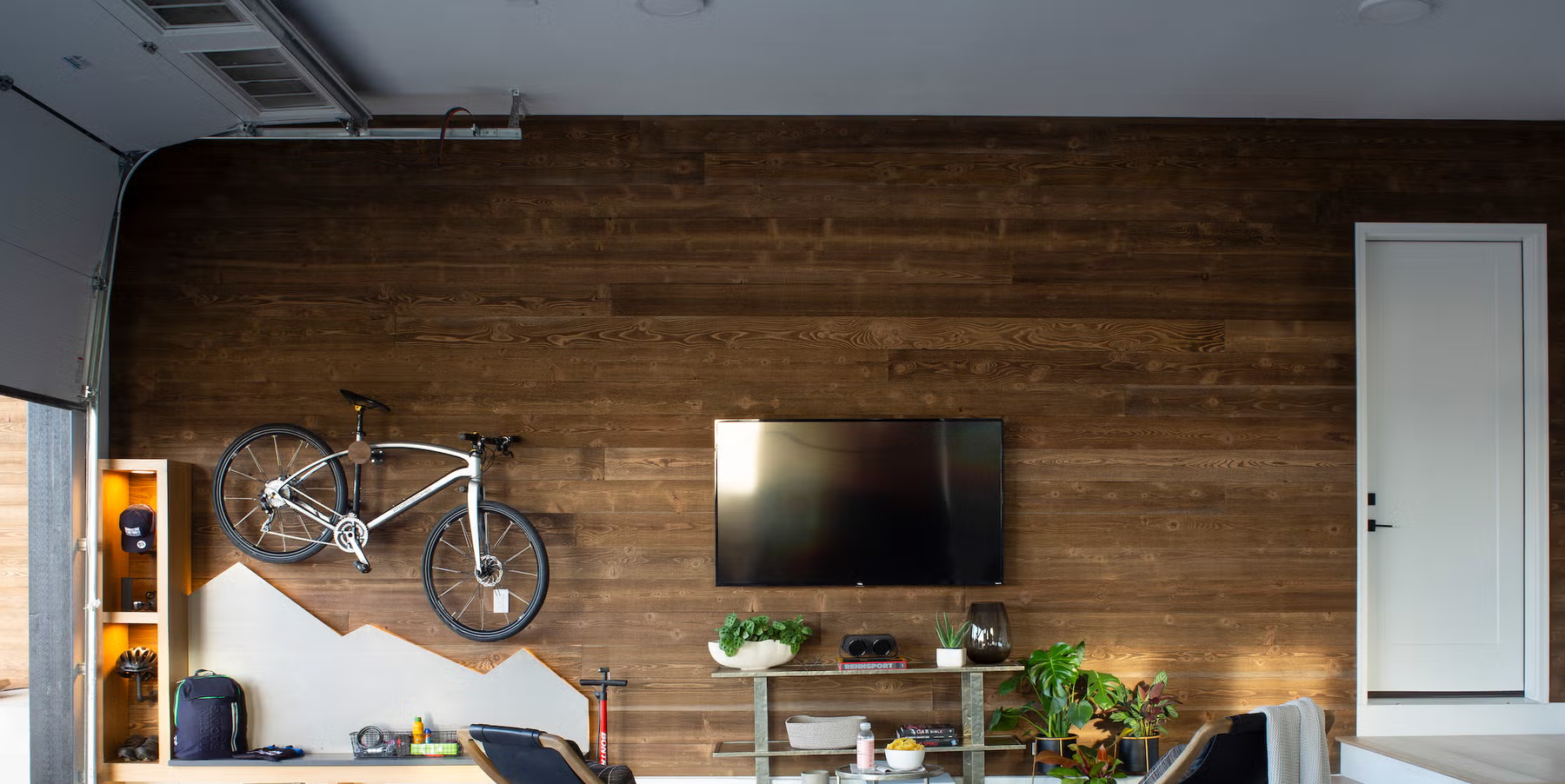
A bicycle can consume an awkward amount of floor space when every square foot matters. Good indoor bike storage ideas keep the bike accessible without turning a hallway, bedroom, or living area into a permanent parking zone. The best solution depends on wall strength, ceiling height, bike weight, and how often you ride.
Use Wall Space Without Blocking Daily Movement
Vertical wall storage works well where floor area is limited. A wheel hook or purpose-built vertical rack can place the bike against a narrow section of wall that would otherwise remain unused.
Before drilling, check the wall construction and use hardware suited to the bike’s weight. Renters who can’t make large wall modifications may prefer freestanding vertical racks. People comparing storage arrangements often browse general home inspiration while deciding how visible equipment should be within a living space.
Make Everyday Access Easy
A storage location isn’t useful if removing the bicycle becomes a daily struggle. Keep enough clearance around handlebars, pedals, and nearby furniture so the bike can be lifted down without scraping walls.
For frequent riders, shoulder-height or lower mounting usually makes more sense than placing a bicycle near the ceiling. Higher positions are better suited to bikes used only occasionally.
Turn Narrow and Forgotten Areas Into Bike Zones
Entry corners, spaces behind doors, wide hallways, and the ends of closets can sometimes hold a bike without sacrificing valuable living space. The goal is to identify areas that already have limited furniture potential.
A tidy bike zone can also fit naturally into broader exterior and porch inspiration when you’re thinking about how equipment moves between indoors and outdoors.
| Storage Method | Space Needed | Best Fit |
|---|---|---|
| Vertical wall rack | Narrow wall section | Small apartments |
| Horizontal mount | Wider wall area | Display-worthy bikes |
| Freestanding rack | Floor plus height | Renters |
| Ceiling system | Overhead clearance | Infrequent use |
Horizontal racks deserve consideration when the bicycle itself looks attractive. Mounted above a console, bench, or low cabinet, a clean bike can become part of the room rather than something you’re constantly trying to hide.
Control Dirt, Gear, and Small Accessories
The bicycle isn’t the only storage problem. Helmets, pumps, lights, locks, gloves, repair kits, and wet-weather gear can quickly spread across an apartment.
Create a compact equipment station beside the bike. A shallow basket, wall rail, pegboard, or narrow cabinet keeps small items together. Looking through property organization resources may also help generate ideas for separating outdoor equipment from cleaner indoor belongings.
Place a washable mat beneath wheels if the bike regularly returns home dirty. A small tray can also catch water during rainy months and protect flooring from grit.
Common Bike Storage Mistakes to Avoid
The biggest mistake is choosing a storage system because it looks compact without considering how difficult it will be to use. A ceiling lift may save impressive space, for example, but it can become frustrating for someone who cycles every morning.
Avoid mounting bikes where pedals or handlebars narrow an important walkway. Don’t assume every wall can safely support heavy equipment, either. Drywall alone may not provide adequate support for some mounting systems, so follow the hardware manufacturer’s installation requirements.
Frequently Asked Questions
How can I store a bike indoors without drilling?
Freestanding vertical racks, tension-pole systems, and floor stands can hold bicycles without permanent wall holes. Check stability carefully, particularly in homes with children or pets that could bump the bike.
Is vertical or horizontal bike storage better?
Vertical storage saves wall width but requires more lifting and ceiling clearance. Horizontal storage uses more wall space but often makes the bicycle easier to remove and can look cleaner in living areas.
Where should I keep a bike in a tiny apartment?
Look first at entry corners, wide hallways, unused wall sections, closet ends, or space behind furniture. Choose a spot that doesn’t obstruct doors, walking paths, ventilation, or emergency exits.
Choose Storage Around How You Actually Ride
Measure the bicycle and storage area before buying hardware, then think about your normal riding routine. Daily riders usually benefit from quick, low-effort access, while occasional cyclists can take advantage of higher or less convenient locations. A few inches of thoughtful placement can make a small home feel noticeably less crowded.