

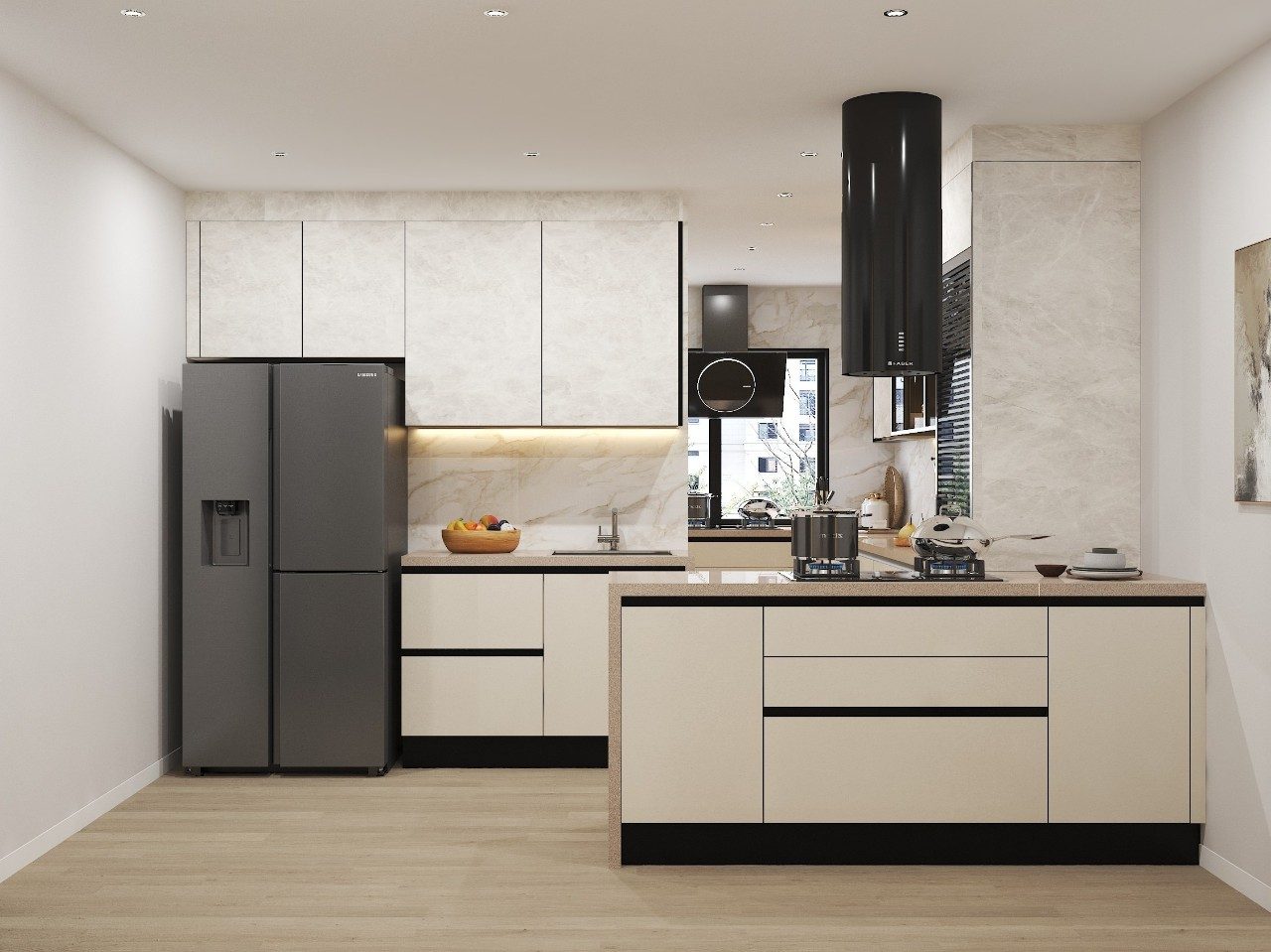
In today’s construction and interior design landscape, multi-purpose architectural surfaces are redefining how designers, architects, and developers approach functionality, durability, and aesthetics in one unified solution. Rather than treating surfaces as purely decorative or strictly functional, modern projects increasingly demand materials that can perform across multiple environments while maintaining visual consistency and long-term resilience.
Brands like Hyundai L&C are at the forefront of this shift, offering innovative surface solutions that meet the growing need for adaptable, high-performance materials in residential, commercial, and institutional projects. As building standards evolve in 2026, the focus is no longer just on appearance; it is about integration, sustainability, and lifecycle value.
This article explores how multi-purpose architectural surfaces are shaping modern design strategies, what benefits they offer, and why they are becoming essential in forward-thinking architectural planning.
Understanding Multi-Purpose Architectural Surfaces
Multi-purpose architectural surfaces refer to engineered materials designed to serve multiple functional roles within a built environment. Instead of limiting a surface to a single application, such as countertops, wall cladding, or flooring, these materials are developed for cross-functional use.
This adaptability allows architects and designers to maintain design continuity while reducing material complexity across projects.
Key characteristics include:
- High durability for heavy-use environments
- Resistance to moisture, heat, and stains
- Seamless visual integration across applications
- Low maintenance requirements
- Design flexibility in texture, color, and finish
These features make them particularly valuable in environments such as hospitality spaces, healthcare facilities, retail environments, and modern residential developments.
Why Multi-Purpose Architectural Surfaces Matter in 2026
The demand for efficiency in construction has never been higher. Supply chain pressures, sustainability goals, and rising design expectations are pushing the industry toward smarter material choices.
1. Design Consistency Across Spaces
One of the most important advantages of multi-purpose architectural surfaces is their ability to create visual harmony. Designers can extend the same material from countertops to vertical walls, reception desks, and even exterior façades.
This creates:
- A cohesive architectural identity
- Fewer material transitions
- A more immersive spatial experience
2. Reduced Material Complexity
Using a single surface material across multiple applications simplifies procurement, installation, and maintenance. This reduces:
- Construction delays
- Material mismatches
- Inventory complexity for contractors
3. Improved Lifecycle Value
Durability is a defining factor in modern construction. Multi-purpose surfaces are engineered for long-term performance, which reduces replacement cycles and lifecycle costs.
The Role of Engineered Surfaces in Modern Architecture
Engineered surfaces are central to the evolution of multi-purpose architectural surfaces. Unlike traditional materials, engineered surfaces are designed with controlled compositions that optimize performance.
Performance Advantages
Engineered surfaces used in architectural applications typically offer:
- Non-porous structures that resist bacteria and moisture
- Enhanced impact resistance for high-traffic areas
- UV stability for indoor and outdoor use
- Consistent patterning and coloration
These qualities make them ideal for environments where both hygiene and aesthetics are critical.
Applications of Multi-Purpose Architectural Surfaces
The versatility of these materials allows them to be used across a wide range of applications.
1. Commercial Interiors
In offices, hotels, and retail environments, multi-purpose surfaces are used for:
- Reception counters
- Wall cladding
- Meeting tables
- Decorative installations
The ability to maintain consistent design language across these elements enhances brand identity and user experience.
2. Residential Design
In residential spaces, homeowners are increasingly seeking unified material palettes. Multi-purpose surfaces are used for:
- Kitchen countertops
- Bathroom vanities
- Accent walls
- Flooring transitions
This creates a seamless visual flow throughout the home.
3. Healthcare and Institutional Spaces
Hygiene and durability are critical in healthcare environments. Multi-purpose architectural surfaces provide:
- Easy-to-clean finishes
- Resistance to chemical cleaning agents
- Reduced microbial growth potential
This makes them suitable for hospitals, clinics, and laboratories.
4. Hospitality and Public Spaces
Hotels and public venues benefit from materials that can withstand constant use while maintaining aesthetic appeal. Applications include:
- Lobby desks
- Bar counters
- Wall features
- Guest room interiors
Design Flexibility and Aesthetic Innovation
One of the strongest advantages of multi-purpose architectural surfaces is their design versatility. Modern manufacturing techniques allow for a wide range of finishes that replicate natural stone, concrete, and other textures while offering enhanced performance.
Popular Design Trends
- Minimalist monochrome palettes
- Natural stone-inspired textures
- Matte and soft-touch finishes
- Large-format seamless surfaces
- Biophilic design integration
These trends reflect a broader shift toward calm, functional, and sustainable design environments.
Sustainability in Multi-Purpose Surface Materials
Sustainability is no longer optional in architecture; it is a core requirement. Multi-purpose surfaces contribute to sustainable building practices in several ways.
Reduced Material Waste
Using one material across multiple applications reduces offcuts and waste during installation.
Longer Product Lifecycles
Durable engineered surfaces reduce the need for frequent replacement, lowering environmental impact over time.
Efficient Manufacturing Processes
Many modern surface manufacturers are adopting:
- Energy-efficient production methods
- Recycled material integration
- Low-emission resins and binders
Brands like Hyundai L&C continue to invest in responsible manufacturing approaches that align with global sustainability goals.
Technical Advantages for Architects and Builders
Beyond aesthetics, multi-purpose architectural surfaces provide practical benefits that improve construction workflows.
Ease of Fabrication
These materials are often designed for:
- Simple cutting and shaping
- Seamless edge finishing
- Compatibility with standard installation tools
Consistency Across Projects
Architects working on multi-site developments benefit from consistent material performance and appearance.
Reduced Maintenance Requirements
Non-porous surfaces reduce staining and simplify cleaning routines, lowering long-term maintenance costs.
How Multi-Purpose Surfaces Influence Modern Design Strategy
Architectural design today is increasingly driven by efficiency, sustainability, and user experience. Multi-purpose surfaces support these goals by allowing designers to think in terms of systems rather than individual materials.
Instead of selecting separate products for each application, architects can:
- Streamline design decisions
- Maintain aesthetic cohesion
- Improve functional performance
- Reduce overall project complexity
This systems-based approach is becoming a defining trend in 2026 architecture.
Challenges and Considerations
While multi-purpose architectural surfaces offer significant advantages, careful planning is still required.
Key Considerations
- Proper specification for intended use
- Understanding thermal and structural limits
- Coordinating installation expertise
- Evaluating long-term maintenance requirements
Selecting the right supplier and material specification is essential to achieving optimal results.
The Future of Multi-Purpose Architectural Surfaces
Looking ahead, the evolution of architectural materials will continue to focus on integration, intelligence, and sustainability. We can expect:
- Smarter surface technologies with embedded functionality
- Increased use of recycled and bio-based materials
- Greater customization through digital fabrication
- Enhanced performance in extreme environments
As these innovations progress, multi-purpose surfaces will become even more central to architectural design strategies worldwide.
Final Thoughts
Multi-purpose architectural surfaces are reshaping how modern spaces are designed, built, and experienced. By combining durability, aesthetics, and versatility into a single material solution, they provide architects and developers with greater creative freedom and operational efficiency.
Companies like Hyundai L&C are helping lead this transformation by delivering surface solutions that align with the demands of contemporary architecture, where performance, sustainability, and design continuity must work together seamlessly.
As the industry continues to evolve in 2026, these materials will not just support design, they will define it.