
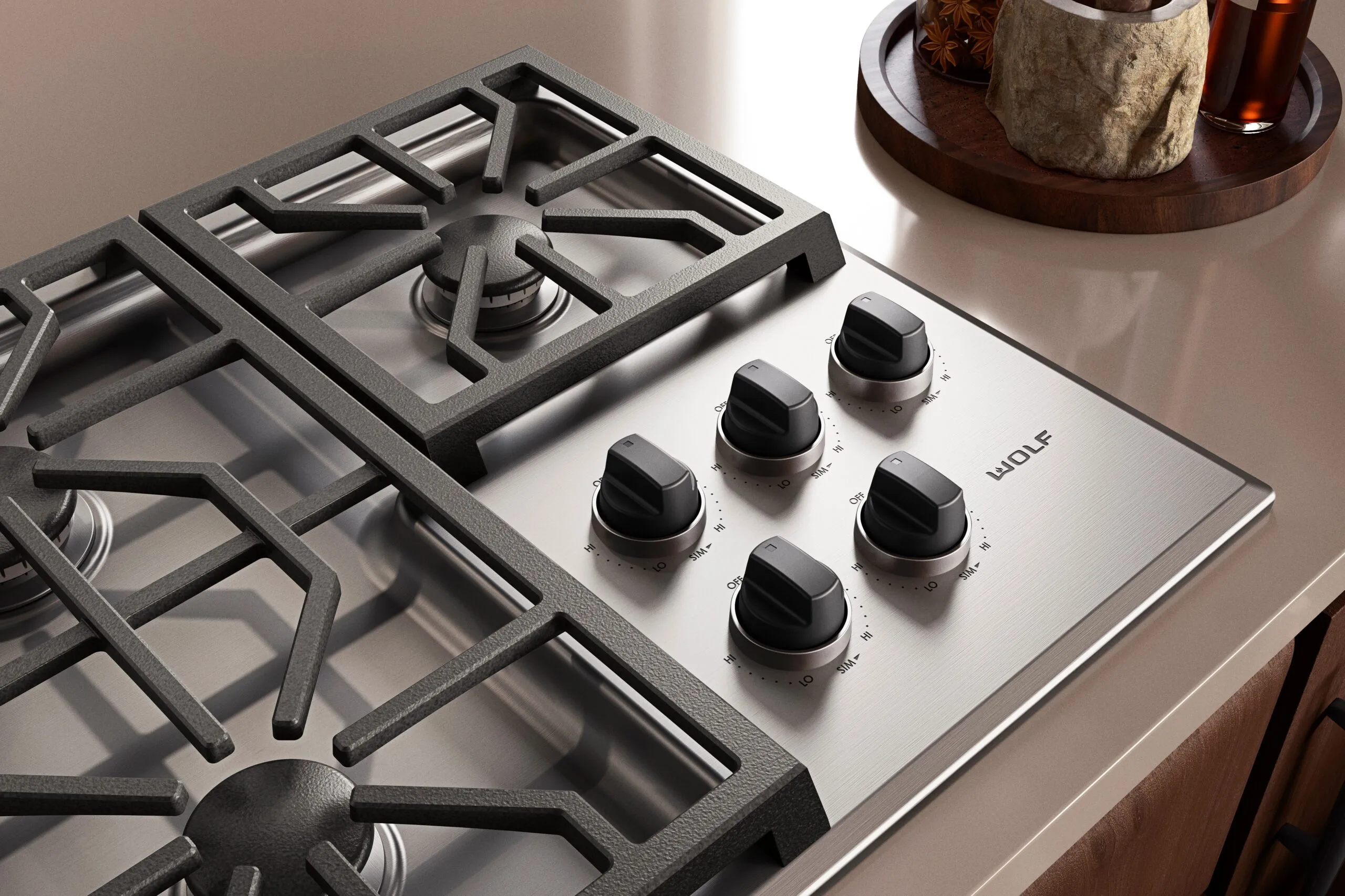
A gas cooktop that isn’t working properly is more than an inconvenience. It is a safety risk. Gas leaks cause fires and explosions. Incomplete combustion produces carbon monoxide. Faulty igniters and damaged gas valves pose hazards that worsen the longer they are ignored. Gas cooktop repair addresses these issues before they escalate, and knowing the warning signs helps you act early rather than react in an emergency. The five signs below cover the most common problems, what you can safely check yourself, and where the line is between a simple cleaning and a call to a certified technician.
Which Signs Are Dangerous and Which Are Maintenance Issues?
Not every cooktop problem carries the same risk. Some signs require immediate action. Others give you time to troubleshoot before calling for help.
Sign 1: Gas Smell or Hissing Noise
A gas odour or hissing sound near the cooktop means fuel is escaping. This is the one sign where you should stop everything and act immediately.
What to do right now:
- Turn off all burners and the gas supply valve behind or below the cooktop
- Open windows and doors to ventilate the kitchen
- Do not touch light switches, electrical appliances, or create any sparks
- Leave the house and call your gas utility or a licensed technician from outside
There is no safe DIY step for a gas leak. Even a faint smell in a confined kitchen can reach dangerous concentrations quickly.
Sign 2: Yellow, Orange, or Flickering Flames
Healthy gas flames burn blue with a steady cone shape. Yellow or orange flames indicate that the air-to-gas ratio is off, meaning incomplete combustion is producing elevated carbon monoxide levels.
Common causes include blocked air intake vents, a misaligned burner cap, or a failing pressure regulator. You can clean the air vents and reseat the burner cap yourself. If the flames remain yellow after that, stop using the affected burner and schedule a cooktop repair. Continued use with yellow flames in an enclosed kitchen poses a real risk of CO exposure.
Sign 3: Burner Won’t Light or Sparks Weakly
A burner that clicks without lighting or produces a faint, inconsistent spark is usually a maintenance issue rather than an emergency. Start with these checks:
- Remove the burner cap and clear the ports with a pin or thin brush
- Wipe the igniter tip with a dry cloth to remove grease buildup
- Confirm the cap is seated flat and properly aligned
These three steps resolve most ignition problems. If the spark is still weak or absent after cleaning, the igniter has likely failed, or internal wiring has come loose. Both require a technician with a multimeter to diagnose and replace safely.
Sign 4: Uneven Heating or Dead Burner Zones
When one side of a burner ring produces a strong flame while the other barely flickers, or when an entire burner remains cold, the problem is either a blockage or a component failure further upstream in the system.
Clean First
Remove the caps and clear every port opening with a needle or a wire brush. Food debris and grease are the most common causes of uneven flame patterns.
If It Persists
Uneven heating that continues after a thorough clean usually points to:
- A partially blocked gas valve is restricting the flow to that burner
- A failing regulator delivering inconsistent pressure
- An igniter that fires intermittently due to internal wear
These components control gas delivery and require professional testing to isolate the failed part.
Sign 5: Cracks, Rust, or Physical Damage
Surface damage on a gas cooktop ranges from cosmetic to dangerous, depending on location and severity.
Cracks in glass or ceramic surfaces can expose internal gas lines and wiring to heat and moisture. Rust on burner caps weakens the metal and changes flame distribution. Warped grates cause cookware to sit unevenly, increasing the risk of spills and tips.
Whether repair or replacement makes sense depends on the specific damage:
- Minor burner cap rust can be cleaned if the metal is structurally intact
- Cracked cooktop panels on gas models usually require full replacement
- Warped or broken grates should be swapped rather than forced back into shape
A gas cooktop repair technician can assess the damage and recommend the most cost-effective path forward.
What Should You Never Attempt Yourself?
Some cooktop maintenance can be done at home. Anything involving the gas supply, internal valves, or electrical ignition system is not. Call a certified technician when:
- You smell gas at any point, even faintly
- Flames stay yellow or deposit soot on cookware after cleaning
- Hissing comes from the gas line, valve, or connection points
- Ignition problems persist after clearing ports and cleaning the igniter
- You feel uncertain about any step that involves the gas supply
Gas appliance repair involves live fuel and combustion. The margin for error is zero.
Takeaway
Gas cooktop problems give clear warning signs before they become dangerous. Weak sparks, yellow flames, gas odours, uneven heating, and physical damage each signal an issue that may need either minor maintenance or professional repair. Recognizing these signs early helps keep your kitchen safe and your cooktop functioning properly.In Charlotte, homeowners rely on CLT Appliance Repair for certified technicians who carry common igniter, valve, and regulator parts to ensure repairs are done safely and efficiently. With prompt scheduling, upfront quotes, and a full warranty, their approach keeps gas cooktops reliable and kitchens running smoothly.